


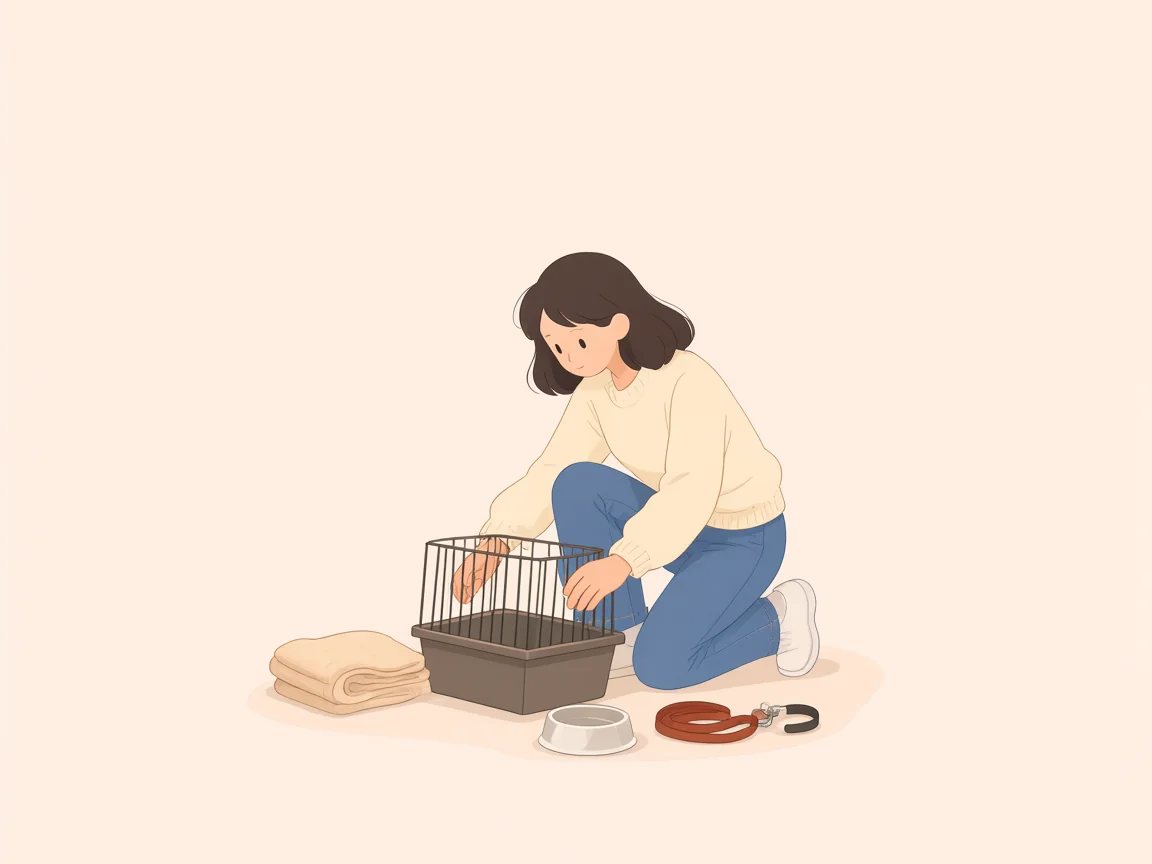
Getting a puppy
"We pick him up in two weeks and nothing's ready."
Before pickup, it doesn't pretend there's a dog to track. It starts with getting ready: the first days, the routines, and the choices to make before your puppy comes home.
Project Pawly · in beta on iPhone
Raising a puppy means a new problem almost every week. A chat box leaves the hard part to you: spotting what matters, explaining your puppy from scratch, judging whether the advice fits, and remembering what you tried. Project Pawly carries that part. It knows your puppy and your home, asks the questions that change the answer, and checks back on how it went.
Pre-launch · iOS beta on TestFlight · Bootstrapped
Illustrative screen, based on the iOS beta.
What we built it fromWhat owners go through, and the sources behind every guide.
Where you are
Getting a puppy
Before pickup, it doesn't pretend there's a dog to track. It starts with getting ready: the first days, the routines, and the choices to make before your puppy comes home.

Already home
Once your puppy is home, what it suggests follows what you're actually working on and what you've been asking about, not a generic checklist. Getting-ready advice drops away. And if nothing's wrong, it doesn't invent a problem. It asks what you'd like to work on.
How it helps
Most help waits for the perfect question, answers it once, and forgets. These are the jobs that land back on you, and what Project Pawly does with each one in the beta today.
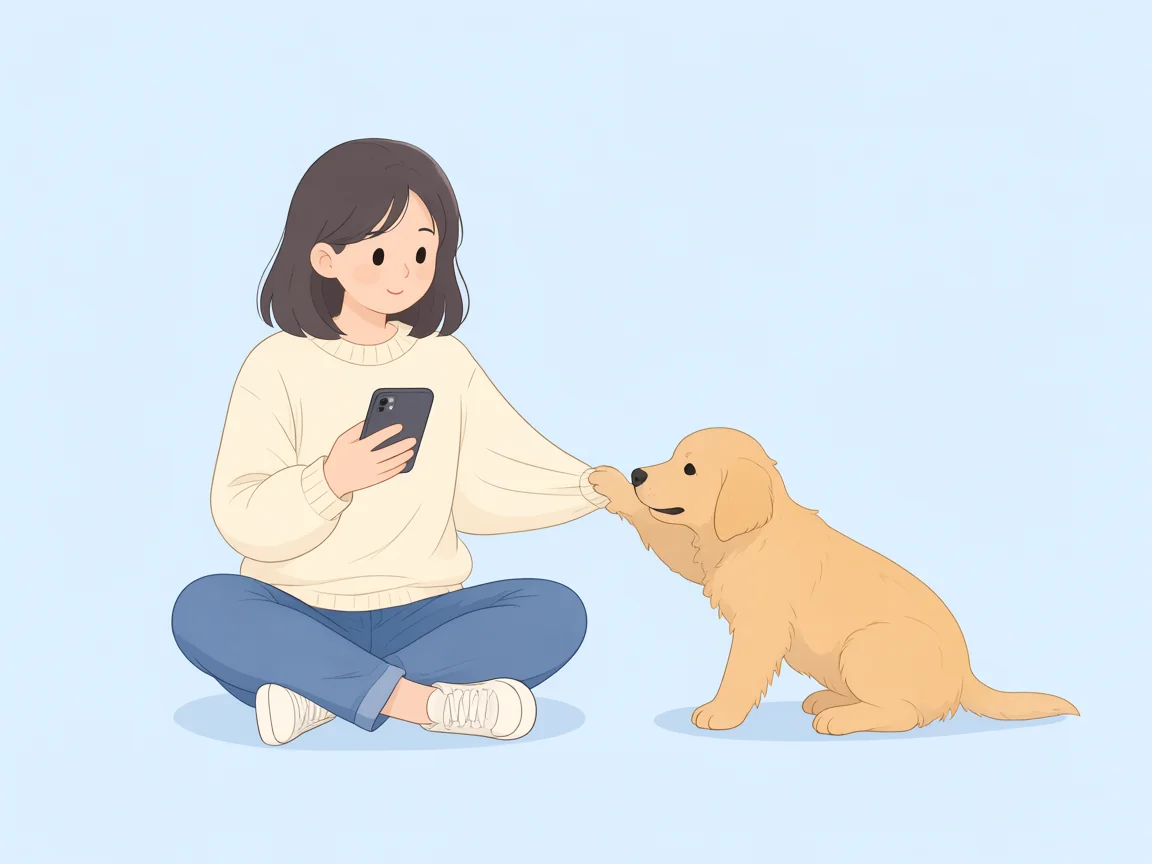
Explaining your puppy, again
It reads your puppy's age and breed, the problems you're working on, what you tried before and how it went, recent meals, potty trips and walks, health check-ins, and what you've told it about your home. You can see everything it has picked up about you, and confirm it, fix it or delete it.
Knowing what to ask
The first time you bring up a problem, it tells you what it already knows and asks the two or three things that would change the advice: how often it happens, who's home during the day, what you've tried, what you want. Then it answers, built on what you told it.
Judging whether the advice fits
Plans are built from approved puppy guides that match what's going on. How you train is your choice: it reads where you stand from how you talk and coaches from there. Safety is not a choice, and when something can't wait, it says that first. Health questions get answers drawn from veterinary sources, with plain signs for when to call the vet.
Turning it into tonight
A problem that keeps coming back becomes a plan with one current step, so tonight has one clear thing to do.
Noticing what happened
After each try you tap Easier, Same, Harder or Not tonight. A run of good nights moves the plan forward. A couple of hard ones steps it back instead of repeating the same advice louder. If your note mentions pain or an injury, it never counts as progress.
Follow-through
A chatbot gives you an answer and you're on your own. Project Pawly keeps the problem open until it's better, and every answer starts from where you actually are.
Illustrative example
He cries in the crate every night. We're exhausted.
Here's what I have: Biscuit, twelve weeks old, crate in the kitchen. Before I suggest anything: how long does the crying last, does anyone get up with him, and what have you tried so far?
About an hour. We covered the crate. My partner sometimes lets him out.
Then start with where he sleeps. Tonight: crate beside your bed, last trip out calm and boring, and the same response from both of you. I'll check in tomorrow.
In the iOS beta today: the questions first, plans with check-ins, and the record it reads from. Making every path dependable end to end is the work in progress.

Everyday care
The rest of the app isn't a pile of separate tools. Daily logs, food and photo checks, and health check-ins fill in the same record the coach reads, so a potty pattern, a food change or last week's limp is already there when you need help.
 Potty trips and accidents
 Meals and a feeding plan
 Walks on a map
 Food label checks
 "Can he eat this?"
 Stool and room photo checks
 Symptom check
 Limp triage
 Vet records
 Training practice
 Photos and a weekly reel
Health answers are guidance, not a diagnosis. When something needs a vet, it says so plainly.
What we're building next
These are in development, not in the beta yet.
 In development
Today it knows your puppy's age. Next: what this stage usually brings and what's coming after it, so you can get ready before it turns into a problem. Typical timing with the conditions attached, never a promise.
 In development
At 3 a.m. you don't need a lesson. You need one clear first move, how long to give it, and what would mean it's time to try something else.
In development
The first quiet night. The walk that finally felt easy. It should remember the moments you share with it, and bring one back when a week gets hard.
Vision & hardware · In development
Every pet camera watches the dog. Ours watches the dog and the person on the other end of the leash. Our own models track his whole body and yours at the same time, line up what you said with what he did, and turn a training session into a timeline: the cue, the response, the moment you marked it.
Our models, our camera, our firmware. The video stays between the camera and your phone.
Clinics, boarding & shelters · In development
The same models, pointed at a whole room instead of one dog. Every kennel gets its own read, and the people running the building get their time back.
We’re bringing it to our first clinics, boarding facilities and shelters now. If you run one, we’d like to hear what your nights look like.
Under the hood
The record, the rules for when to ask and when to act, and the plan bookkeeping are ours. So are the models: we fine-tune our own and run them on our own hardware. Every plan's result is what they learn from next.
The company
A bootstrapped Delaware company. Project Pawly is its first product. We're pre-launch: the iOS app is in TestFlight beta with testers, and there are no paying customers yet.